


EC NCCP Training Cohort for Competition Coach Specialists

EC Learn To - Western Rider Level 1-4 and Intermediate Rider Basic Training Evaluator Training
NCCP Competition Coach Evaluation - English with Jumping
.jpg)
NCCP Competition Coach Evaluation - English Flat Only

EC Learn To - English Rider Level 1-8 Evaluator Training
NCCP Performance Planning and Advanced Practice Planning for Equestrian Sport

NCCP Competition Coach Evaluation - Western
NCCP Analyzing Beginner Equestrian Performance
NCCP Make Ethical Decisions - Evaluation
.png)
.svg)
 E-Learning
 Recruitment and Retention of Volunteers in Sport and Physical Activity
.jpg) E-Learning
E-Learning Introduction to Long-Term Development in Sport and Physical Activity
 E-Learning
 Introduction to Workplace Health and Safety - Worker Health and Safety Awareness

 E-Learning
 Resilience and Mental Fitness: The Key to Psychological Strength and Performance
.jpeg) E-Learning
E-Learning Stepping Stones to Indigenous Sport and Physical Activity Participation

 E-Learning
 Stress, Mental Health and Resilience: A Trauma-informed Approach
 E-Learning
 Welcome to Canada: Engaging New to Canada Participants in Sport and Physical Activity
 Certificate Program
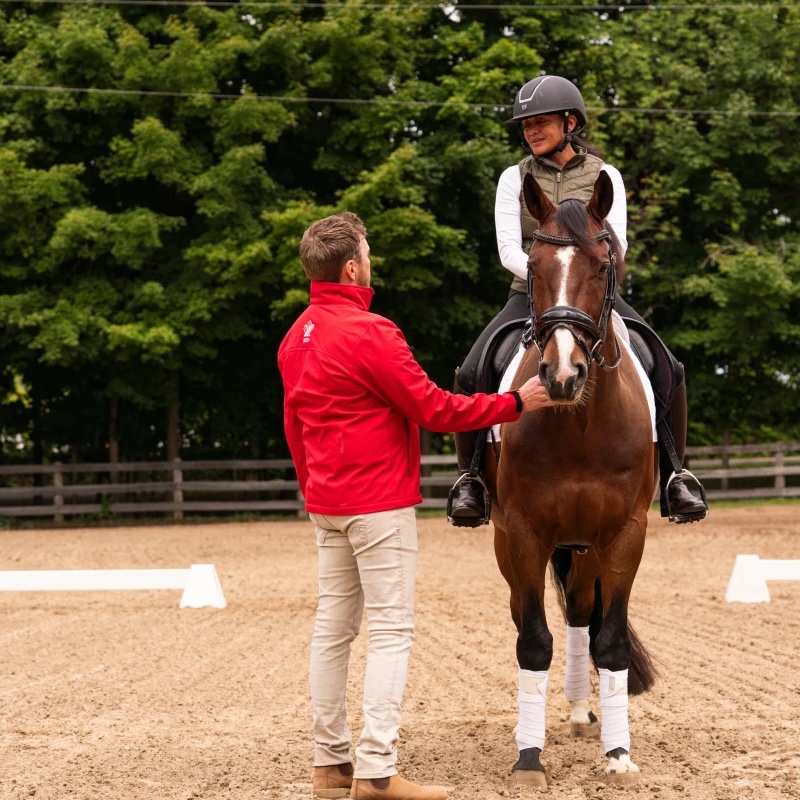
Using a cohort working together in a virtual environment, candidates in the group will work together with experienced Master Coach Developers Ruth Allum (HP1 – Eventing) and Helen Richardson (Competition Coach Specialist – Eventing) through training and mentoring to prepare for certification. The cohort will kick off the training and mentoring process in January and will work together through the recommended training and prep for Coach Specialist candidates. The training included in this course:
- Design an Equestrian Sport Program
- Manage an Equestrian Sport Program
Analyze Competitive Equestrian Performance
Extra sessions are included with the cohort to help prepare portfolio and coaching submissions for evaluation.
Candidates may register for evaluation separately when ready.
The Philip Parkes Memorial Coaching Scholarship is available for dressage coaches pursuing NCCP Certification. For more information or to apply: Philip Parkes Memorial Coaching Scholarship Application
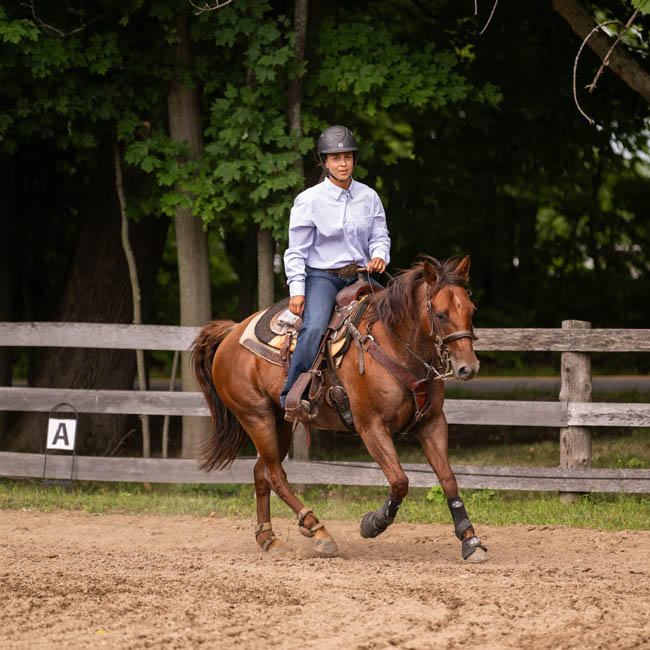
The Equestrian Canada (EC), Western Learn to Ride program begins for athletes at Rider Level 1, introducing the basics of horsemanship and rider skills from the first experience to Rider Level 4, and the Intermediate Rider Levels. The Learn to Ride program is designed to be guided by a Certified and Licensed Instructor or Coach, to ensure that the concepts are clearly understood as the athlete progresses to each more challenging level. The program provides an opportunity for athletes to progress by demonstrating their skills through a series of written tests, interviews, and under saddle tests at each level. The aim of the Rider Level evaluator training clinic is to train Instructors and Coaches to understand and detect the requirements for a Rider level candidate to be successful. They will also learn the procedures for setting up an evaluation. Upon completing this training, to become a Rider Level evaluator, Licensed and NCCP Certified Instructors will be eligible to evaluate for Learn to Ride Levels 1-4. Licensed and NCCP Certified Coaches will be eligible to evaluate for Rider Levels 1-4 and Intermediate Rider Basic Training. Evaluators will be provided with all the necessary tools and information to begin testing.
The Equestrian Canada (EC), English Learn to Ride programs begin for junior and senior riders, at Rider Level 1 introducing the basics of horsemanship and rider skills from the first experience to rider level 10. The Learn to Ride program is designed to be guided by a Certified and Licensed Instructor or Coach, to ensure that the concepts are clearly understood before the rider progresses to more challenging levels. The program provides an opportunity for riders to progress, demonstrating their skills through a series of increasingly complex written tests, interviews, and under-saddle jump and flat tests. Upon completing this training Licensed and NCCP Certified Instructors and Coaches will be eligible to evaluate for Learn to Ride up to and including level 6. Evaluators will be provided with all the necessary tools and information to begin testing.
This is a Competition Development equestrian specific course. Please note that this course will be delivered in English, although bilingual staff will be present to offer explanations and answer questions in both official languages.
In order to achieve peak performance, an athlete’s training program needs to be periodized according to the demands of their sport, as well as their individual development needs. The Performance Planning and Advanced Practice Planning for equestrian sport module allows coaches to reflect on the structure of a yearly plan, develop a plan for training athletic abilities over a microcycle and appropriately sequence training and development priorities so as to achieve peak performance.
The goal of the Rule of Two is to ensure all interactions and communications are open, observable and justifiable. It is one of three pillars of the Responsible Coaching Movement, along with background screening and ethics training.
After completing the Understanding the Rule of Two eLearning module, participants will:
- Have a solid understanding of the Rule of Two Improve their ability to assess and implement preventive measures
- Be aware of questions to ask to determine their sport organization’s policies
Applying the Rule of Two in sport environments provides many benefits, including: Increasing the safety and security of all participants
- Reducing the risk of an incident of abuse Protecting everyone, including coaches and volunteers
- Reducing a sport organization's liability Providing additional help if there’s an accident or emergency
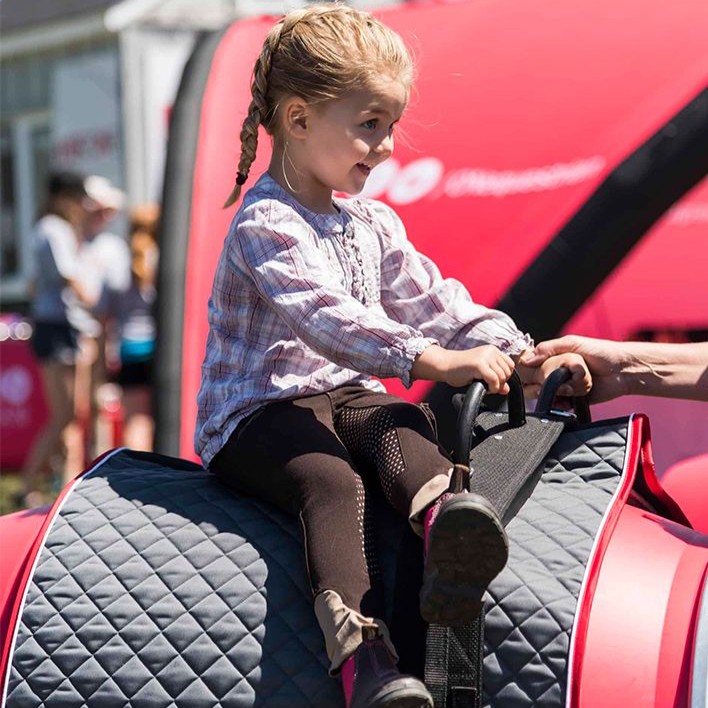
The fun-filled, active workshop focused on the instruction of fundamental skills and group management skills in a non-equestrian environment. At the completion of the program, instructor candidates will:
- Be familiar with the ground and barrel skills in the program
- Have practiced performing and teaching the majority of the skills included in the program
- Able to manage a large group of participants and lead small group activities using Rookie Riders lesson plans
- Be confident in their ability to deliver the Rookie Riders program to participants in the FUNDamentals and Learn to Train stages of development
Workshop participants will be given access to the PLAYBuilder App for a period of 1 year which includes access to pre-built lesson plans, instructional videos and other support resources as part of the workshop package. The workshop involves a high degree of physical activity, instructor candidates should be physically fit, capable of performing most skills in the Rookie Riders program.
Instructor Evaluation - Drive for a coach candidate.
The Competition Coach Evaluation – Western assesses outcomes 1, 2 & 3 of the Competition Coach Certification pathway and includes the preparation of a coaching portfolio and an in-person evaluation of lessons being coached to students at the appropriate level.
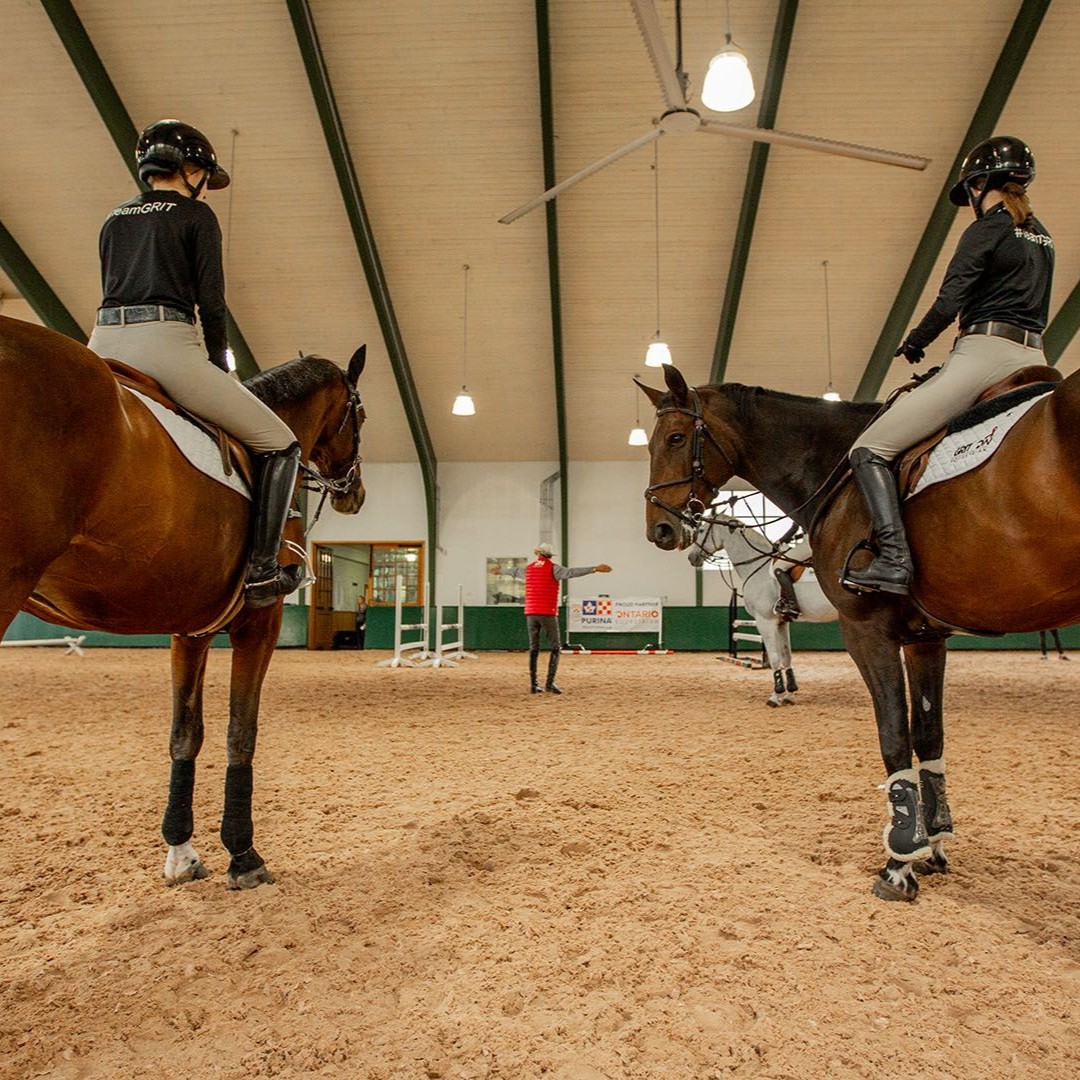
The Design an Equestrian Sport Program teaches Competition Coaches how to design a basic sport program.
Design an Equestrian Sport Program includes:
- Gathering the information to build your program
- Knowing and Analyzing your program
- Developing the Yearly Training, Competition & Recovery Plan
- Linking sport programs and practice sessions in this ever-changing Sport Environment
Upon completion, you will be able to:
- Outline a program structure based on available training and competition opportunities
- Identify program measures to promote rider/horse development
- Develop practice plans that integrate seasonal training priorities
Certification Contexts: Competition-Coach; Competition Coach Specialist; High-Performance 1
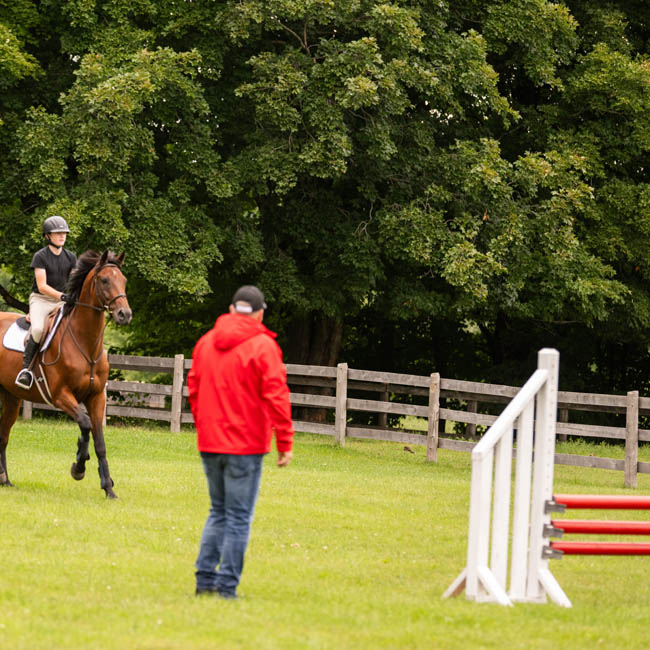
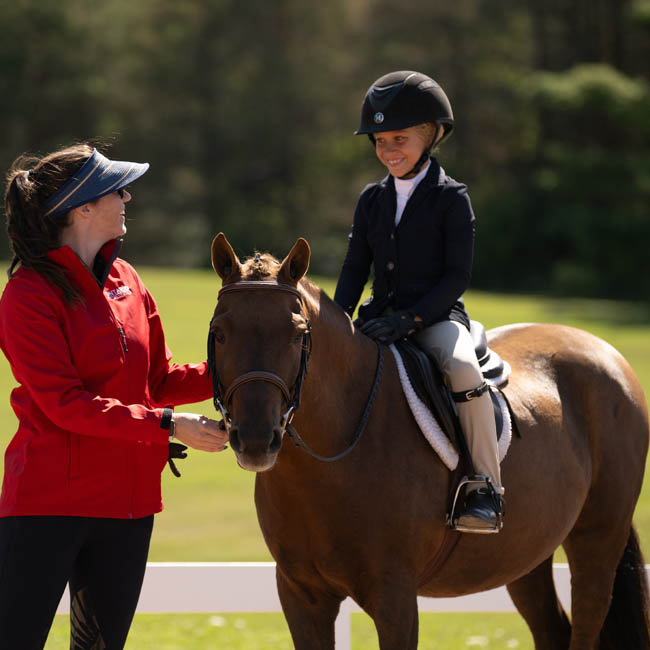
The Analyzing Beginner Equestrian Performance course is a half day course that teaches the equestrian instructor and coach how to apply a basic framework to detect and correct skill errors and engage in extensive reflection on the analysis of performance. You will see how to optimize your students’ learning by implementing effective analysis methods in your lessons.
Making Ethical Decisions (Multisport) is designed to equip instructors and coaches to handle ethical situations with confidence and surety.
Upon completion of this training, you will be able to:
-
Identify the legal, ethical, and moral implications of difficult situations that present themselves in the world of team and individual sport
-
Analyze a challenging situation and determine if it has moral, legal or ethical implications
-
Apply the NCCP Ethical Decision-Making Model to properly respond to situations in a way that is consistent with the NCCP Code of Ethics
Upon completion of this course, the Coaching Association of Canada's $85 On-line Evaluation Fee for Make Ethical Decisions will be waived. Successful completion of the evaluation is necessary for coach certification in any NCCP program.
After completing the Manage an Equestrian Sport Program course, you will be able to:
- manage administrative aspects of the program and oversee logistics;
- manage staff’s roles and responsibilities;
- manage camp and tournament finances and travel; and
- report on athlete progress throughout program.
The Manage an Equestrian Sport Program course is a half day course.
.jpg)
The Instructor Evaluation – Western assesses outcomes 1, 2 & 3 of the Instructor - Western Certification pathway and includes an in-person evaluation of lessons being coached to students at the appropriate level.
Upon completion, you will be able to:
-
Plan a practice for beginner drivers and/or riders and develop an Emergency Action Plan
-
Support athletes in training by teaching lessons
-
Analyze the performance of beginner drivers and/or riders
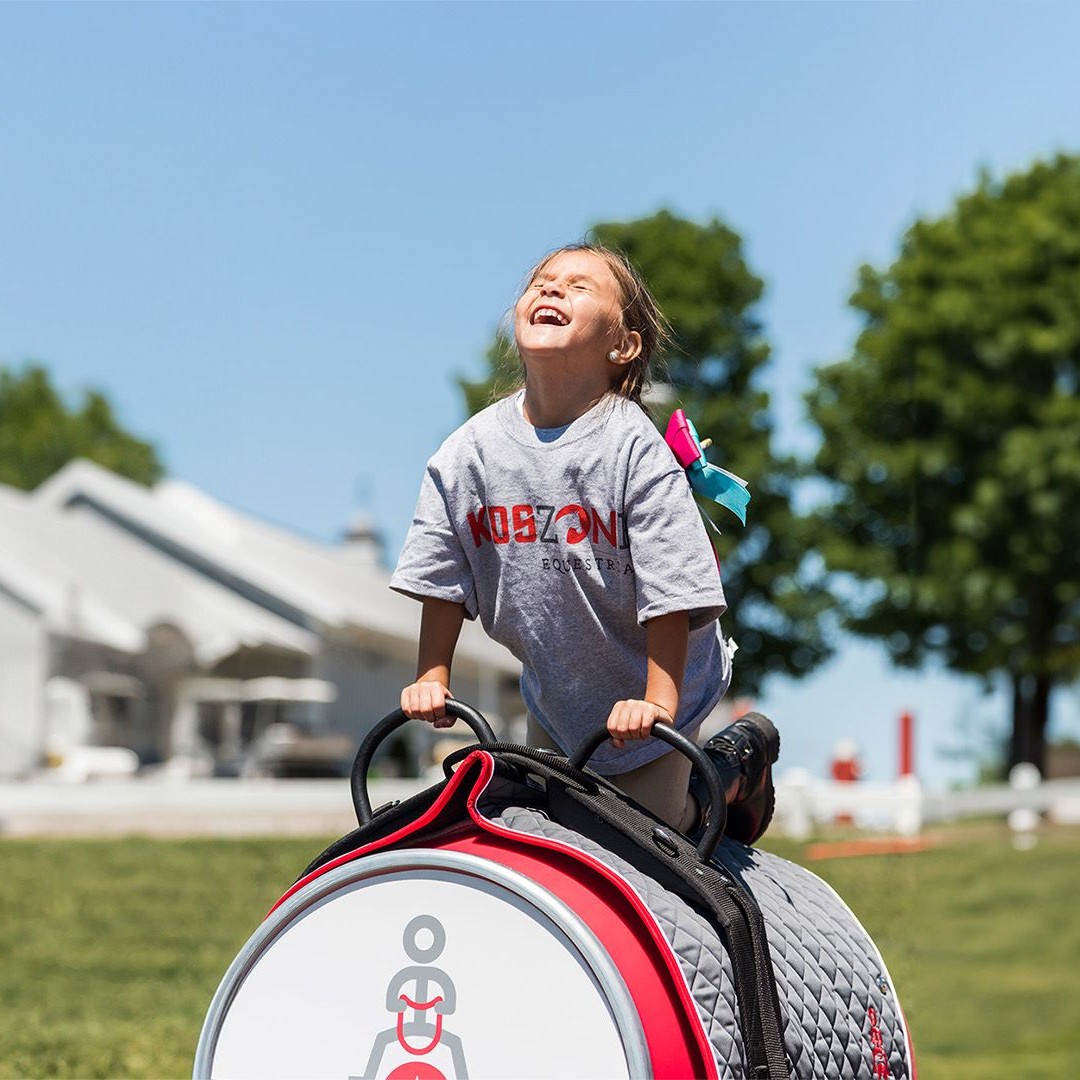
The second part of Rookie Riders Coach training will teach coaches to incorporate a horse(s) into the Rookie Riders program - this is for those Rookie Riders coaches teaching in equestrian facilities.
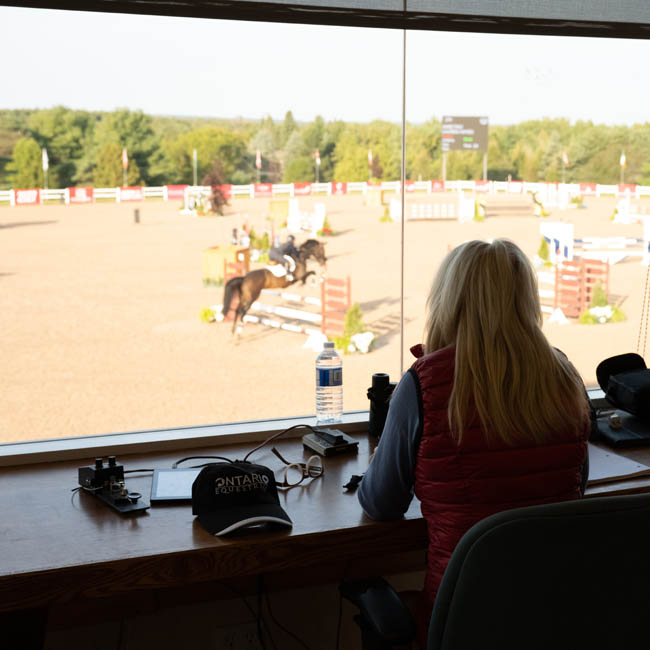
The Analyzing Performance Clinic, Competition Coach - English is designed to help Competition Coaches and Competition Coach Specialists develop, or refine, their analytical skills.
This course examines the challenges facing volunteer-based sports organizations that must recruit, train and retain volunteers. It also describes the 7-step approach to the volunteer application/orientation process, details the elements of this process, and focuses on both the orientation process and the role of technology in the training/orientation process.
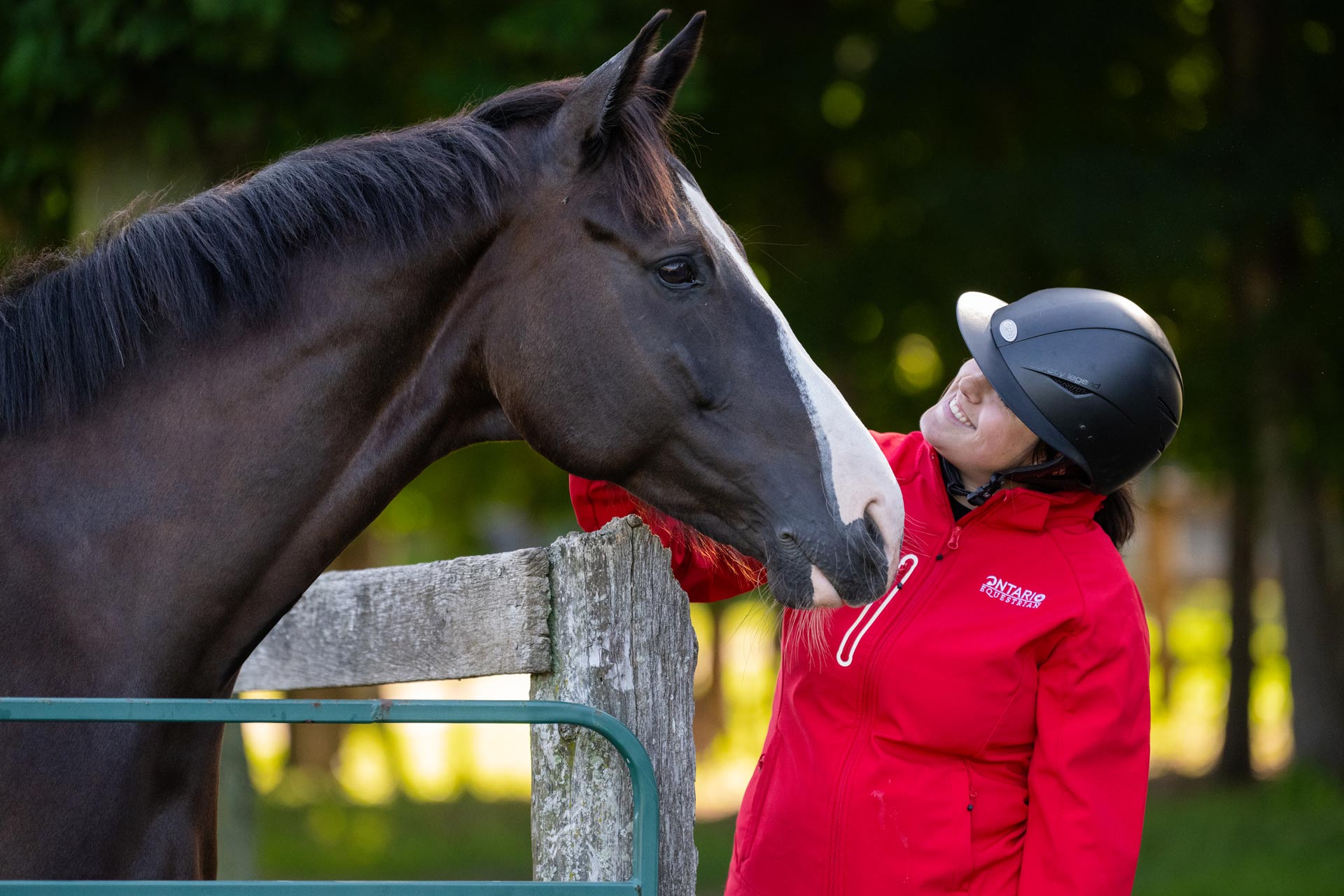
This course is for horse owners, grooms, coaches, equestrian competitors, and parents/guardians. If you're involved in Equestrian Canada (EC) sanctioned events, this course is for you!
Our goal is to help you understand the Equine Medication Control program and avoid experiencing a medication control infraction. We want to reduce the stress associated with being selected for sample collection, by providing some clarity to the process. EC wants sanctioned competitions to be a positive experience for everyone involved.
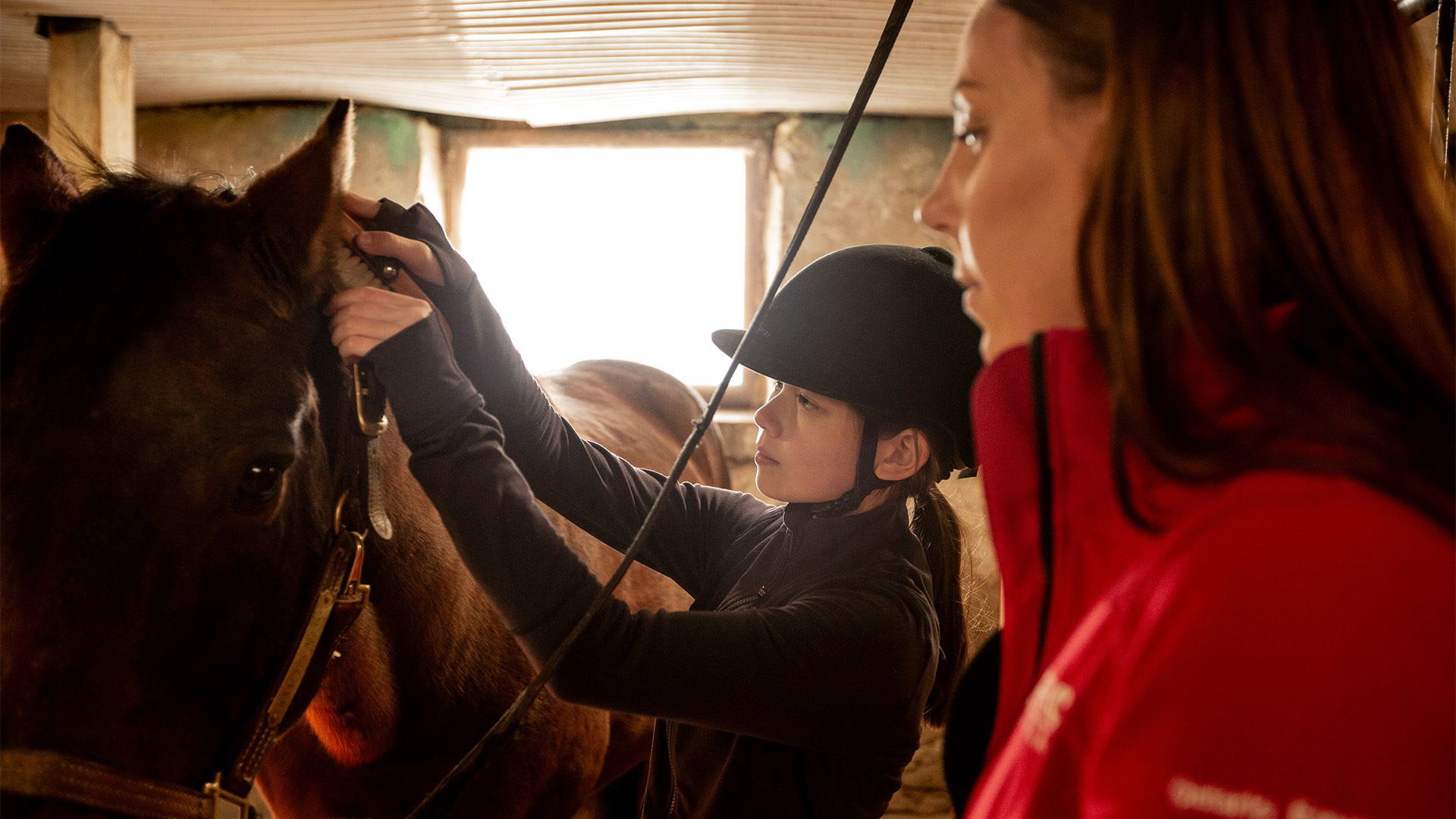
- RECOGNIZE: the signs and symptoms of concussion
- REMOVE: when to remove an athlete from training or competition
- REFER: when to refer the athlete to a licenced healthcare professional
- RETURN: how to manage and support an athlete in their return to school, training and competition based on the recommendations of a medical expert using Equestrian Canada's return to sport guidelines

THIS COURSE IS AVAILABLE FREE OF CHARGE TO ALL EQUESTRIAN CANADA SPORT & COACH LICENCE HOLDERS AND ONTARIO EQUESTRIAN MEMBERS. THIS COURSE IS AVAILABLE FREE OF CHARGE TO ALL EQUESTRIAN CANADA SPORT & COACH LICENCE HOLDERS AND ONTARIO EQUESTRIAN MEMBERS. THE COURSE WILL AUTOMATICALLY ADDED TO YOUR ACCOUNT, ACCESSIBLE THROUGH THE DASHBOARD WHEN YOU LOG IN.
.jpg)
Fire Safety is a basic awareness program for workplace environments that includes prevention techniques as well as information on how to use a fire extinguisher.
This course is designed to give the participant, the knowledge in fire safety and prevention, fighting a fire by recognizing user and equipment limitations, the fundamentals of fires, types of fire extinguishers, and the proper handling of the fire extinguisher.
.jpg)
Language: English (Also available in French and Spanish).
Course Duration: 1 Hour.
Upon completion, participants will receive a certificate of eLearning completion and 1 National Coaching Certification Program (NCCP) Professional Development (PD) Point (if applicable).
This eLearning course is part of the Physical Literacy Leader - Level 1 Certification.
This course introduces the concept of physical literacy, provides information about how we learn to move, and identifies the key elements of a supportive physical literacy environment.
Upon completion of the course, you will be able to:
- Explain the concept of physical literacy.
- Describe the relationship between physical literacy, physical activity, and physical fitness.
- Explain how movement skills are developed.
- Describe the relationship between the development of movement competence, confidence, and motivation, in support of physical literacy development.
- Identify key elements of a supportive physical literacy environment.
- Recognize that physical literacy as a concept is inclusive and accessible.
- Draw and describe a physical literacy life journey.
Language: English (Also available in French and Spanish).
Course Duration: 1 Hour.
Upon completion, participants will receive a certificate of eLearning completion and 1 National Coaching Certification Program (NCCP) Professional Development (PD) Point (if applicable).
This eLearning course is part of the Quality Sport Leader - Level 1 certification.
This course has been designed to help you create fun, safe, positive, and developmentally appropriate quality sport and physical literacy experiences for people of all ages and abilities. The three main goals of Long-Term Development in Sport and Physical Activity are to support the development of physical literacy, strive for excellence, and empower people to be active for life.
By the end of the course, you will:
- Be familiar with the Long-Term Development in Sport and Physical Activity Framework and the primary objectives of each stage of development.
- Recognize the characteristics of quality sport and physical activity programs that support the development of physical literacy, strive for excellence, and empower people to be active for life.
- Know how to find additional resources to analyze gaps in current programs.
This course was made possible in part with support from the Government of Canada and the Ontario Trillium Foundation.
This course provides workers with health and safety awareness training. Content includes information about the duties of employers and supervisors, their rights and duties as workers, common workplace hazards, and ways to protect themselves, and others, from harm.
This course introduces mental fitness, a proactive and strength-based approach to building resilience. We will reimagine stress as pressure that when positively engaged, serves as the counterweight and stimulus for growth. You will learn how emotional reactions to stress can be positively managed by developing resilience skills with mental exercises designed specifically to help stretch, strengthen, and forge new neural connections. We will discover how individuals' strengths are unique and different, and how awareness and insight into one's tendencies, makes it possible to take advantage of the magic of neuroplasticity to rewire your brain and change your behaviour. We will introduce the 16 resilience factors, associated with psychological skills and activities, that when exercised and practiced, serve to increase psychological strength, and enhance mental fitness.
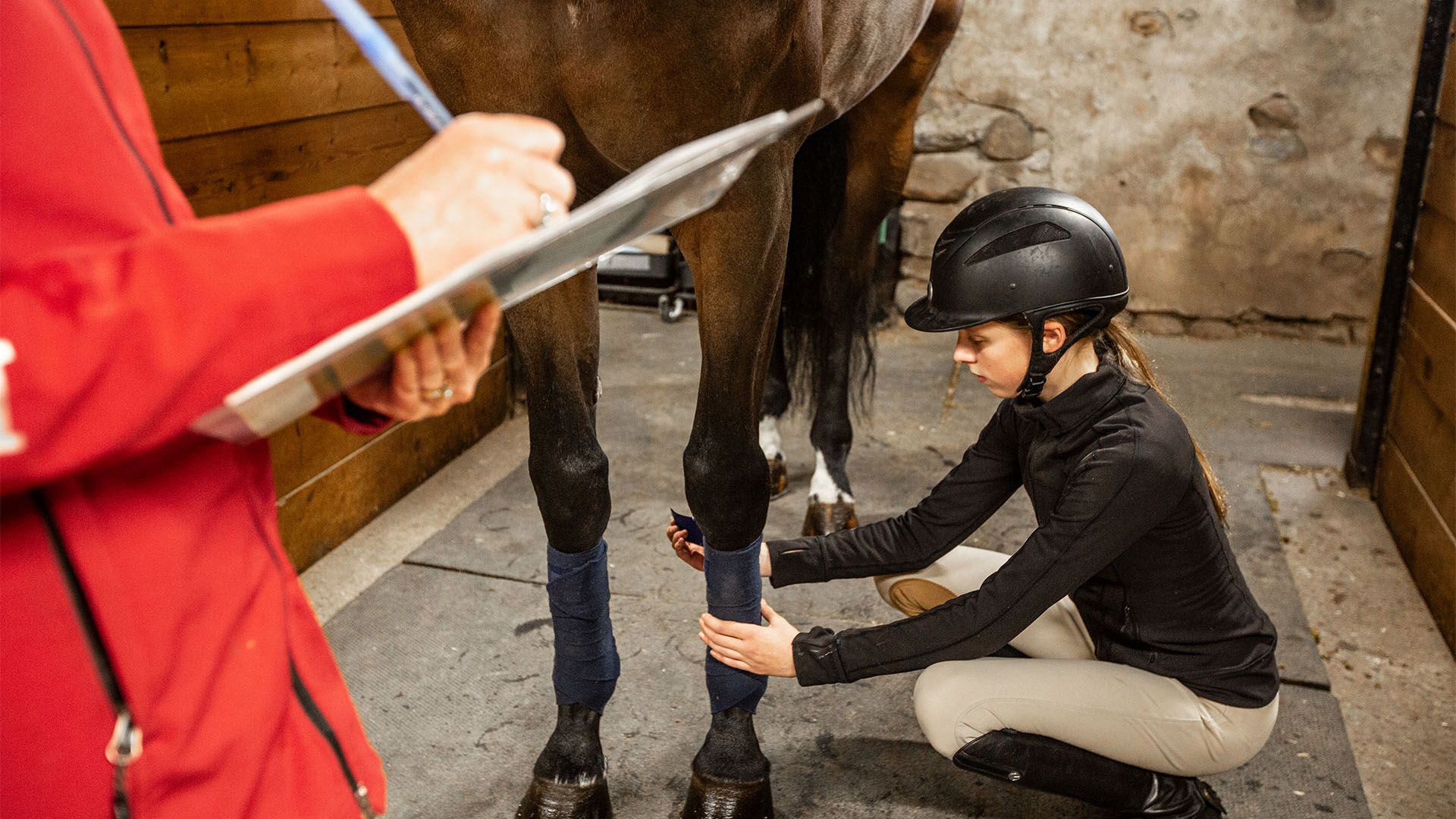
Welcome to the Equine Care Program Introductory Course. The goals of this course are to help you become familiar with the Equine Care Program and understand how to assess your facility and the horses you care for. Additionally, you will learn about the resources available through Equestrian Canada to assist you in meeting the Program requirements and furthering your knowledge in horse welfare-related topics.
This course will take you through 4 modules including:
- Module 1: Introduction to the Equine Care Program
- Module 2: The Code of Practice for Equines
- Module 3: How to Conduct a Self Assessment
- Module 4: Program Resources
This online training module can be completed from any location with internet access using a computer, tablet or smartphone. While the course is self-paced, most participants will complete their training in 45 minutes, or less.
Upon completion, participants will receive a certificate of eLearning completion and 1 National Coaching Certification Program (NCCP) Professional Development (PD) Point (if applicable).
The Stepping Stones to Indigenous Sport and Physical Activity Participation E-Learning Course has been designed for coaches and sport leaders, like yourself. The purpose of this training is to:
-
Increase your knowledge of the stages of the Indigenous Long-Term Participant Development Pathway.
-
Help you better understand the needs of Indigenous participants and athletes, including First Nations, Inuit and Métis peoples.
-
Enhance your ability to run developmentally and holistically appropriate programs for Indigenous participants and athletes.
This course was developed by Sport for Life.
In this course you will learn that stress is a natural process that can be managed through awareness and top-down control. You will be introduced to defences, natural and learned, and that while they are intended to be adaptive and protect us against injury and harm, maladaptive defences can lead to illness and suffering. You will discover the magic of neuroplasticity, and that all individuals have the ability, through consistency of practice, to establish new neural pathways in favour of making better decisions when encountering stress. In this paradigm shift, mental illness is not a character flaw; managing our mental well-being takes skills, building resilience fortifies us with those skills! Finally, you will be introduced to a practical tool to locate and assess one's present relationship to stress, manage defences, and mitigate poor mental health outcomes.
Upon completion, participants will receive a certificate of eLearning completion and 1 National Coaching Certification Program (NCCP) Professional Development (PD) Point (if applicable).
New to Canada participants require an individualized approach to enhance their own level of physical literacy through quality, stage-appropriate experiences. This course explores the barriers newcomers face to participation and solutions to address those barriers.
This course was developed by Sport for Life.

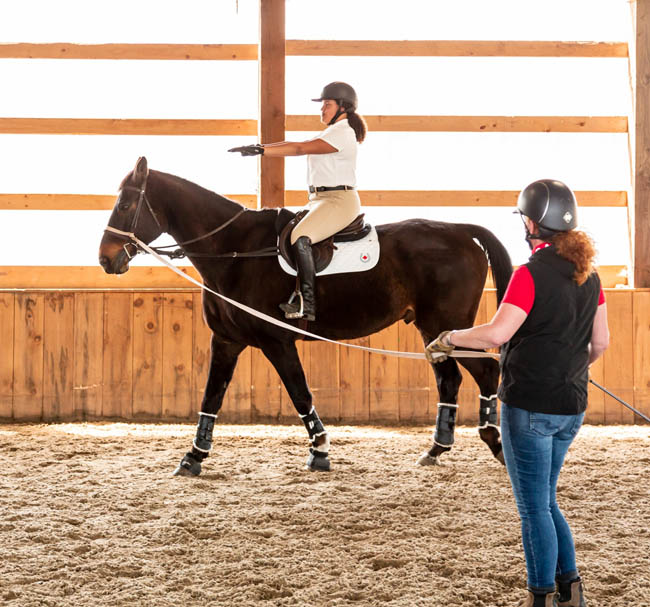
Our goal is to help you lunge safely.
Upon completion of this training, you will be able to:
- Have a clear understanding of the skills and standards required to safely lunge horses and horses with riders.
- Understand the basics of effective lunging
- Create a safe lunging environment for both horse and rider.
- Have a clear understanding of the tack useful for lunging
- Know how and when to use natural and material aids for lunging
- Lunge effectively and safely a rider
Western Instructors are working with non-competitive (recreational) riders from beginner to active for life students, these coaches help introduce and develop equestrian skills.
Instructors hold one of the most important roles in equestrian sport – building the foundation skills that empower equestrians to enjoy equestrian sport at the level they choose for the rest of their lives!
Instructors use programs like P’Tit Trot, Rookie Riders and Learn to Ride to complement their student development.
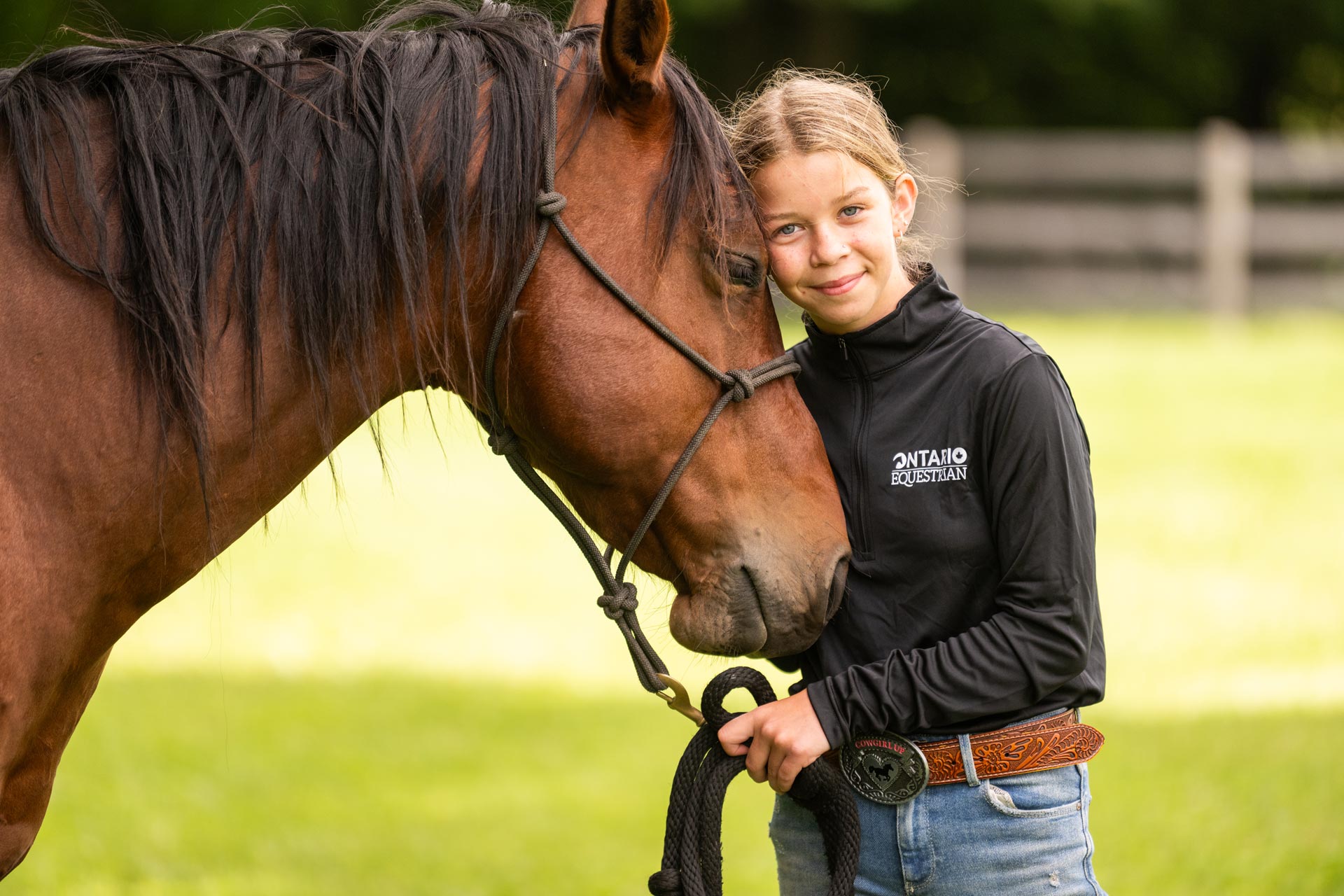
At all levels of Equestrian sport, competing horses rely on athletes to do what is best for their health and welfare. It is imperative for anyone involved in horse training and riding/driving to speak with their trainers, coaches and veterinarians about properly conditioning your horse competition, as collectively, you know your equine partner better than anyone. This online e-learning course is set to teach the basics of Equine Conditioning. Equines compete in a diverse range of sporting activities, each requiring specific technical skills and different levels of physical fitness. Conditioning Sport Horses is based on the Conditioning Sport Horses written by Hilary M. Clayton and aims to provide a background of scientific facts upon which to base a logical system of conditioning. The course walks you through the basic principles of conditioning, as well as cardiovascular and strength conditioning education. This course is entry level learning into science based equine athlete conditioning, that will be a key foundation to developing discipline specific condition programs with courses to come!